
Introduction
────────────────────────
iPhone restore stuck at verifying restore describes a state where the restore process has already started, reaches the verification stage, and then stops progressing without canceling or exiting the setup flow.
The device does not return to setup, no error message appears, and restore activity remains frozen at the same point.
This indicates a boundary where account verification completes its visible checks but fails to advance into actual data application.
────────────────────────
Step-by-Step Guide
────────────────────────
────────────────────────
Step 1: Confirm that the restore is stuck, not canceled
────────────────────────
The first judgment point with iphone restore stuck at verifying restore is whether the restore truly stops or simply cancels itself.
When a restore is canceled automatically, the device exits the restore path and returns to setup.
In this case, the verifying restore screen remains visible and unchanged for an extended period.
No retry prompt appears.
The progress indicator does not reset.
The system does not transition back to setup.
This behavior confirms that the restore path is still active but unable to proceed.
────────────────────────
Step 2: Understand what “verifying restore” actually represents
────────────────────────
In iphone restore stuck at verifying restore cases, the verifying restore stage is not a data transfer phase.
At this point, iOS validates account continuity, backup ownership, encryption context, and trust alignment between the device and Apple’s restore services.
Data has not yet been applied, even if the restore appears to be underway.
If any required verification dependency fails internally, the system cannot advance to data restoration.
Instead of canceling, iOS may remain in this verification state indefinitely.
────────────────────────
Step 3: Identify why the process does not exit on failure
────────────────────────
Not all restore failures trigger an explicit termination.
When verification fails after the restore path has already been entered, iOS may lack a safe rollback point.
In these cases, the system neither applies data nor exits the restore flow.
This creates a stalled state where user actions no longer affect progress.
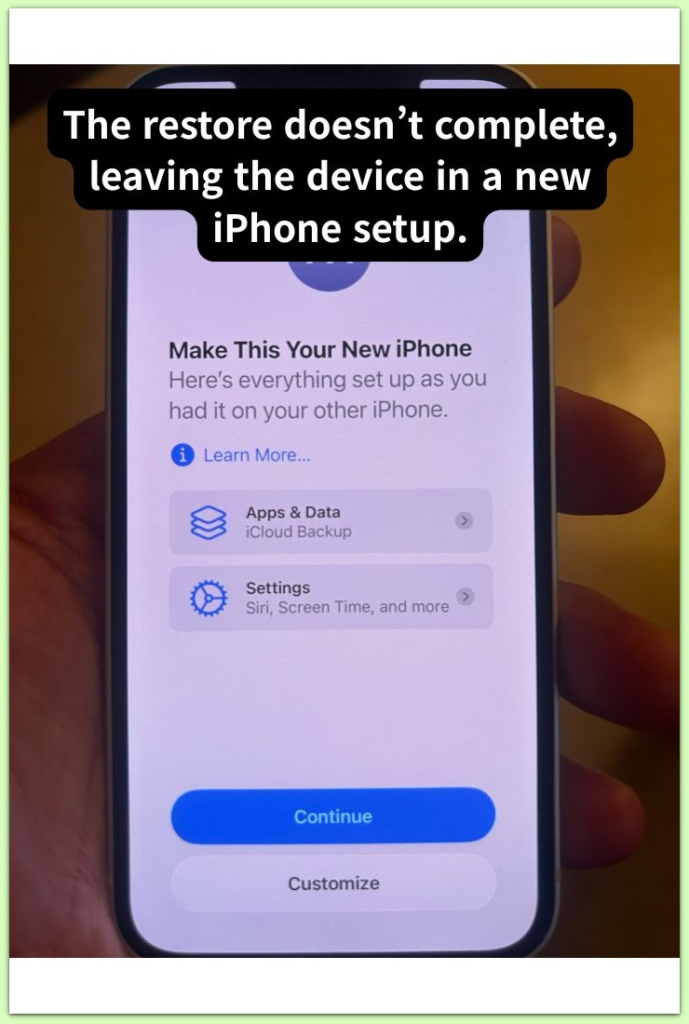
Waiting longer does not change the outcome.
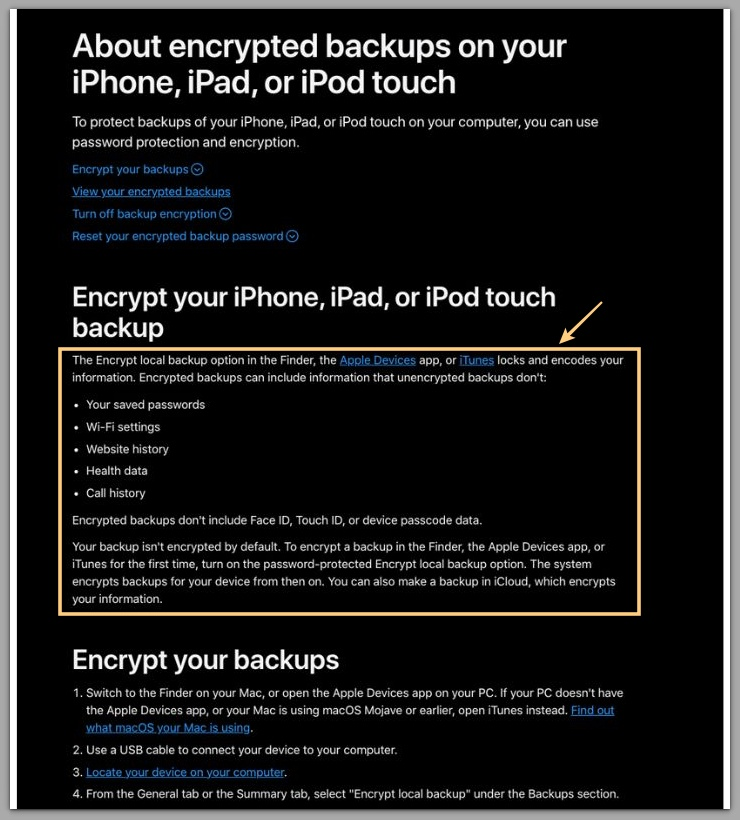
The screen below illustrates how iOS presents the restore process at this stage, even though internal verification has already failed.
────────────────────────
Troubleshooting: iphone restore stuck at verifying restore
────────────────────────
────────────────────────
Restore remains stuck at the same verification point every time
────────────────────────
The first and most reliable signal is repetition.
When iphone restore stuck at verifying restore always stops at the same verification point, regardless of timing, network, or device restart, the system is not reacting to changing conditions.
It is replaying the same internal decision.
Random failures shift their behavior.
Verification boundaries do not.
If the stall point never moves forward or backward, the restore context has already failed a required check.
The interface continues to display activity, but the decision itself is no longer dynamic.
This consistency is not a performance issue.
It is a policy outcome.
────────────────────────
The restore does not cancel, yet never progresses
────────────────────────
A common source of confusion is the absence of cancellation.
When iOS cancels a restore, the device exits the restore flow and returns to setup.
That does not happen here.
Instead, the restore remains visually active, creating the impression that progress may resume.
In reality, the system has already determined that it cannot safely proceed.
This state exists because the failure occurs after the restore path is entered but before data application begins.
At this point, iOS lacks a clean rollback path and avoids terminating the process abruptly.
────────────────────────
Waiting longer produces no measurable change
────────────────────────
Time does not resolve verification failures.
If verification depended on background completion, progress indicators would eventually change.
In this case, nothing advances, even after extended waiting.
This is not because the system is slow.
It is because the verification phase has already completed unsuccessfully.
Long waits only reinforce the stalled condition without altering the restore outcome.
────────────────────────
Retrying the restore repeats the same failure
────────────────────────
Retries often give the illusion of control.
However, each retry reuses the same account state, backup identity, and trust relationship.
Without a change in those elements, the verification result remains identical.
This explains why retries feel immediate and predictable rather than variable.
The system is not recalculating.
It is reaffirming an existing decision.
If the restore remains stuck after all verification-related conditions have been reviewed, this issue typically falls outside the scope of user-level adjustments.
────────────────────────
Additional Tips
────────────────────────
An iphone restore stuck at verifying restore stall should not be treated as a network instability problem.
Network-related restore issues fluctuate.
They slow down, resume, or fail inconsistently.
Verification stalls do none of those things.
They stop at the same logical point every time.
It is also important not to confuse this state with storage limitations or compatibility failures.
Those conditions either prevent restore initiation or cancel the process explicitly.
Here, the restore has already been authorized to begin.
The failure occurs deeper in the validation chain.
Recognizing this difference prevents unnecessary troubleshooting steps that cannot influence the system’s decision.
────────────────────────
Final Notes
────────────────────────
When iphone restore stuck at verifying restore occurs, the system has passed visible account checks but cannot advance into data application.
The restore is not paused for completion.
It is held at a boundary that no longer responds to user actions.
This state reflects a completed verification failure rather than an incomplete process.
Understanding this distinction clarifies why progress never resumes and why retries do not change the result.
────────────────────────
Checklist
────────────────────────
☐ Restore reaches verifying restore and remains unchanged
☐ No cancellation or return to setup occurs
☐ The stall point repeats consistently
☐ Extended waiting does not advance progress
This is the point where the restore looks alive on the screen, but from the system’s side, the decision has already been made and nothing further can change it.
────────────────────────
Extra Section 1
────────────────────────
Verification-related stalls are particularly misleading because they resemble normal restore behavior.
The screen remains active.
The device appears responsive.
Nothing explicitly signals failure.
Internally, however, iphone restore stuck at verifying restore indicates that the restore path has reached a condition where proceeding would risk incomplete or unstable data application.
Rather than apply data under uncertain trust conditions, iOS freezes the process.
This design prioritizes system integrity over user feedback.
From a system perspective, holding the state is safer than continuing incorrectly.
The result is a restore that looks active but is no longer capable of progress.
────────────────────────
Extra Section 2
────────────────────────
Many users interpret verifying restore as an ongoing background operation.
In practice, once this phase fails internally, the restore outcome is already decided.
No additional checks remain pending.
This is why hours of waiting or repeated attempts yield the same result.
The system is not waiting for time.
It is waiting for a condition that cannot be satisfied.
Recognizing this boundary early helps prevent repeated restore cycles and misplaced expectations.
At this point, the restore has effectively ended, even though the interface has not yet reflected that conclusion.