
Introduction
────────────────────────
iPhone iCloud Backup Visible but Not Eligible means an iCloud backup appears in the list, but iOS blocks it from being used for restore before the setup process reaches the recovery stage.
This situation does not come from a sync delay, a temporary server issue, or a mistake during setup.
The backup exists, but the system no longer qualifies it for restoration.
When users see a backup listed, they assume recovery remains possible.
In reality, iOS evaluates restore eligibility earlier than the restore screen itself.
Once iOS fails that eligibility check, the system makes the restore option unavailable.
Repeating setup, restarting the phone, or reconnecting iCloud does not reopen the restore path.
This article explains where iOS rejects restore eligibility,
why iCloud continues to show the backup after blocking it,
and where user control ends in iphone icloud backup visible but not eligible cases.
────────────────────────
Step-by-Step Guide
────────────────────────
────────────────────────
Step 1: Confirm the Backup Is Listed but Not Selectable
────────────────────────
The first judgment point in iphone icloud backup visible but not eligible cases is visibility without access.
The backup appears under iCloud storage or during device setup, but the system does not allow users to select it for restore.
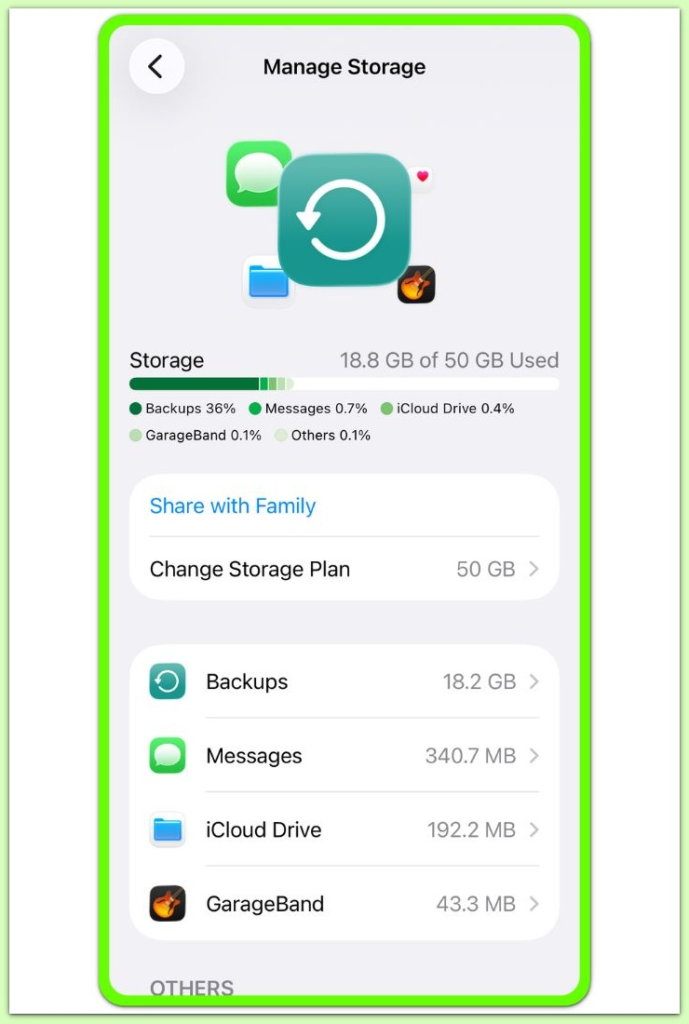
If the backup disappears completely, the issue belongs to a different failure category.
Here, the defining condition is that the backup exists while the system blocks restore access.
This state confirms that iOS recognizes the backup file itself
but has already rejected it for restore use.
At this stage, the problem does not relate to network connectivity or account access.
The system has already finalized the restore decision internally.
────────────────────────
Step 2: Understand When iOS Evaluates Restore Eligibility
────────────────────────
iOS does not decide restore permission at the restore screen.
In iphone icloud backup visible but not eligible situations, iOS evaluates eligibility earlier during account and device verification.
This evaluation includes encryption state, device history, and account-level conditions.
The system does not expose or allow users to adjust any of these factors.
If any required condition fails, iOS silently denies restore permission.
The backup remains listed, but the system marks it as ineligible.
This behavior explains why the situation feels contradictory.
Backup visibility does not guarantee restore availability.
────────────────────────
Step 3: Why Repeating Setup Does Not Change the Outcome
────────────────────────
Many users repeat setup expecting a different result.
This approach fails because iOS does not recalculate restore eligibility on each attempt.
Restarting the device only refreshes the interface.
It does not rebuild the restore qualification state.
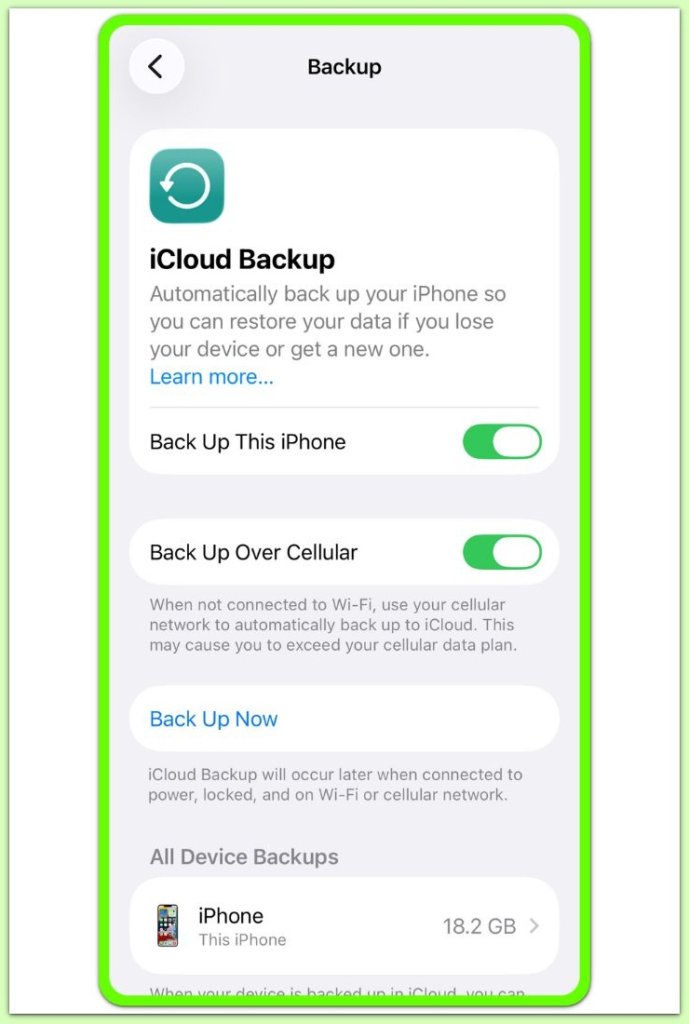
Logging out of iCloud or changing Wi-Fi only confirms account access.
It does not alter the underlying restore decision.
Once iOS blocks restore access, repetition only confirms the same result rather than creating recovery.
If you need further assistance beyond the steps above, additional support options may be referenced separately.
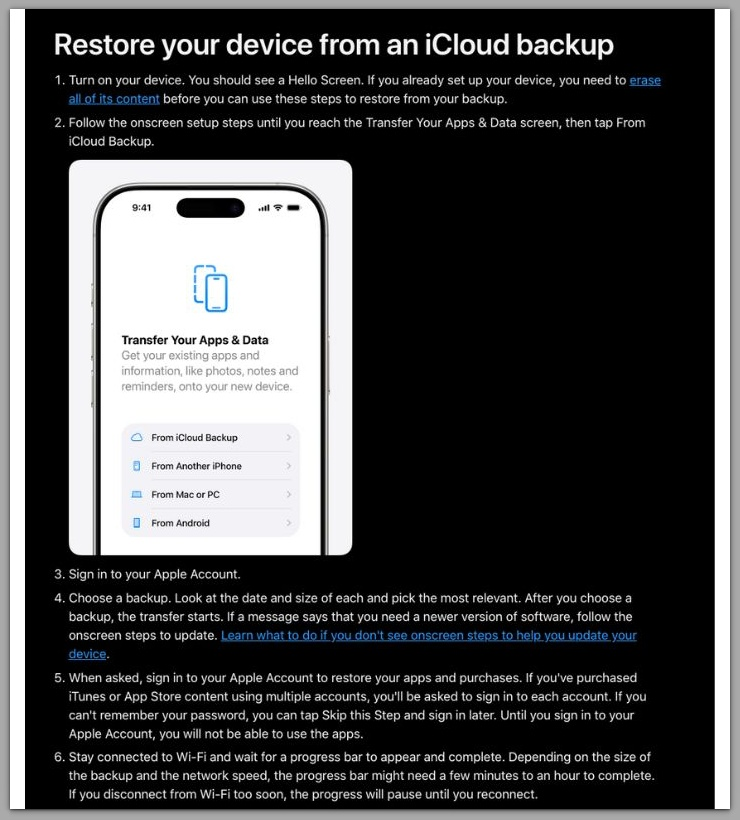
For reference, Apple outlines the official iCloud restore process here.
────────────────────────
Troubleshooting — iPhone iCloud Backup Visible but Not Eligible
────────────────────────
At this stage, troubleshooting no longer functions as a fix.
Its role becomes limited to confirming that the restore boundary already exists.
Many users expect repeated setup attempts to trigger a different outcome.
However, iOS does not re-evaluate restore eligibility after failure.
If the same backup remains visible but unavailable after multiple clean setups,
the system state has already stabilized.
Network changes do not affect this condition.
Switching Wi-Fi, using cellular data, or resetting network settings only refreshes connectivity.
Account re-login also reaches a limit.
Signing out of iCloud and signing back in confirms access but does not grant restore permission.
iOS provides no user-facing log or warning that explains the block.
The absence of feedback does not mean the system remains undecided.
Troubleshooting here serves one purpose only.
It confirms that the issue falls outside user control.
────────────────────────
Additional Tips
────────────────────────
A visible backup creates a strong assumption of recoverability.
The lack of an explicit error message reinforces that assumption.
In iphone icloud backup visible but not eligible cases, visibility and eligibility exist as separate states.
iCloud displays backup records independently from restore permission.
This design preserves backup history.
It does not guarantee restoration on every device or setup.
Understanding this distinction sets expectations correctly.
It also explains why official support responses often feel limited.
iOS treats restore eligibility as a security decision.
The system intentionally does not expose detailed failure reasons.
As a result, users receive an outcome without an explanation.
The system enforces the rule quietly.
────────────────────────
Final Notes
────────────────────────
If a backup appears visible but remains ineligible, iOS has already blocked restore access.
This condition does not represent a temporary failure and cannot be resolved through settings.
The system has evaluated the backup and ended the user recovery path.
From that point forward, troubleshooting only confirms the boundary rather than reopening access.
────────────────────────
Checklist
────────────────────────
☐ Backup appears but cannot be selected
☐ Repeating setup does not restore access
☐ iCloud account signs in normally
☐ Restore option never appears during setup
Restore eligibility remains a system decision, not a user action.
────────────────────────
Extra Section 1
────────────────────────
In iphone icloud backup visible but not eligible situations, uncertainty causes the most frustration.
Users cannot see where or why the restore process failed.
The system does not display a message stating incompatibility.
It does not alert users about encryption conflicts, device mismatch, or account limitations.
Instead, the restore option never appears.
This absence creates the impression that users missed a step or skipped part of setup.
In reality, iOS made the decision before restore became available.
The interface only reflects the result of that earlier system check.
Because the system performs this check silently, users search for visible causes.
They focus on Wi-Fi strength, login timing, or setup order.
Most online advice follows the same incorrect assumption.
It treats restore failure as a setup mistake rather than an eligibility decision.
This explains why suggested “fixes” feel endless.
Restarting the phone, resetting networks, or repeating setup only replays the same blocked path.
Once iOS denies restore permission, the system does not reopen it.
No amount of repetition triggers reevaluation.
Recognizing this point prevents unnecessary escalation.
Deleting accounts, erasing devices repeatedly, or cycling backups increases risk without benefit.
At this stage, clarity matters more than action.
Understanding that restore access has already ended protects both data and time.
────────────────────────
Extra Section 2
────────────────────────
In iphone icloud backup visible but not eligible situations,
the most important realization involves identifying the boundary of user control.
That boundary exists before restore initiation.
Everything beyond that point falls under system enforcement rather than user influence.
The backup may still represent valid historical data.
It confirms that data once existed and was stored successfully.
However, eligibility for restoration requires a separate condition.
A backup can exist even after restore permission no longer applies.
This outcome does not imply corruption, deletion, or sync failure.
It reflects compatibility rules, encryption state, or account-level constraints.
Because iOS does not expose these rules, users interpret silence as uncertainty.
They assume the system waits rather than decides.
In reality, iOS has already made the decision.
The restore path remains closed even though the backup stays visible.
At this stage, user-level actions stop producing new information.
Settings changes or repeated attempts no longer clarify the outcome.
From here, understanding the boundary matters more than further action.