
Introduction
────────────────────────
iPhone backup exists but restore missing means iOS detects a valid iCloud backup, but the system blocks the restore path before the setup process reaches the recovery stage.
This situation does not come from a sync delay, a temporary server issue, or a mistake during setup.
When users see a backup listed, they naturally assume restoration remains possible.
In reality, iOS evaluates restore eligibility much earlier and bases that decision on account state, encryption conditions, and device history that no longer appear in the interface.
Once iOS reaches this state, repeating setup, restarting the device, or reconnecting iCloud never reopens restore access.
At that point, user control has already ended, even though the backup itself still exists.
This article defines what the iphone backup exists but restore missing state actually means,
explains where iOS finalizes the restore decision,
and clarifies why visible backups no longer guarantee restore permission.
────────────────────────
Step-by-Step Guide
────────────────────────
────────────────────────
Step 1: Confirm the Backup Is Real but Not Selectable
────────────────────────
The first step separates visibility from eligibility.
A visible backup only confirms that iCloud still stores the data.
If the restore option never appears or disappears immediately after selection, iOS already rejected the backup during an internal qualification check.
At this stage, iOS does not ask for confirmation. The system enforces a decision it already made.
This distinction matters because many users assume timing or network issues cause the problem.
In iphone backup exists but restore missing cases, iOS blocks the restore path before any user interaction begins.
────────────────────────
Step 2: Understand When the Restore Decision Occurs
────────────────────────
iOS finalizes the restore decision before the setup flow reaches the restore screen.
As soon as setup begins, the system evaluates account continuity, encryption status, and device trust.
When this evaluation fails, iOS does not retry it.
Restarting setup never triggers a new eligibility check.
This behavior explains why the restore option can disappear without warning.
The system does not malfunction. It applies the same rejection outcome consistently.
────────────────────────
Step 3: Identify Why Repeating Setup Does Not Help
────────────────────────
Many users reinstall iOS or repeat setup while expecting a different result.
However, restore eligibility does not change through repetition.
The same account state and encryption conditions remain active.
Because nothing changes internally, the outcome stays the same.
In iphone backup exists but restore missing situations, repetition only confirms the boundary.
It never reopens access.
────────────────────────
Step 4: Recognize Where User Control Ends
────────────────────────
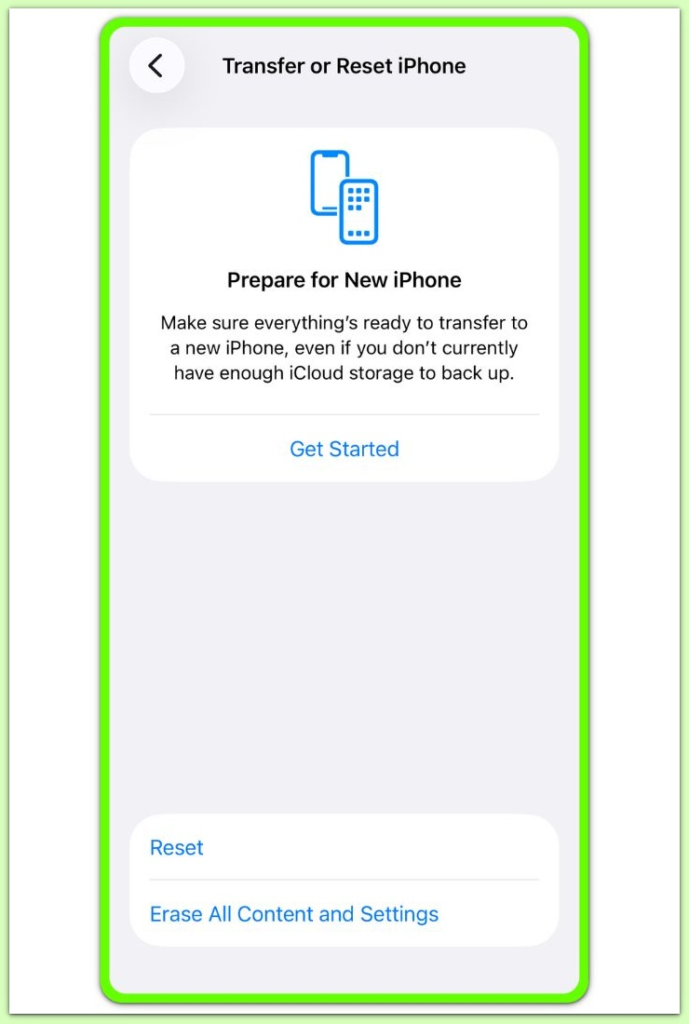
After iOS denies restore eligibility, user-accessible settings stop influencing the outcome.
No toggle, reset, or login action overrides this decision.
At this point, the backup still exists, but iOS restricts access to it.
The system has moved beyond the user control layer.
Understanding this boundary prevents wasted effort and false hope.
This issue is not resolved through standard settings or repeated setup attempts. In cases like this, further diagnosis usually requires direct inspection beyond user-accessible controls.
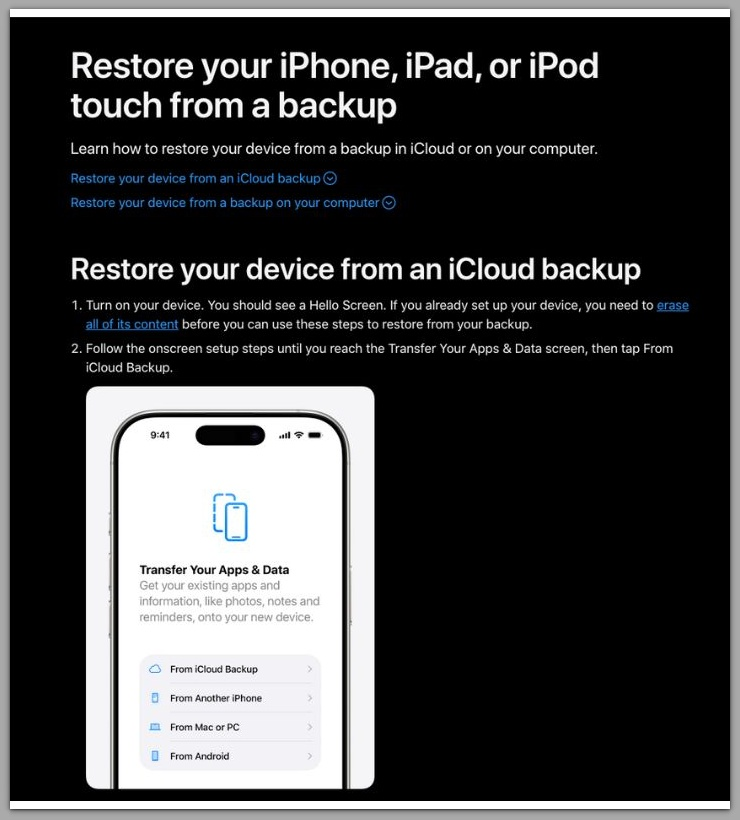
For general information on restoring an iPhone from an iCloud backup, see Apple’s official guide
────────────────────────
iPhone Restore Boundaries and Eligibility Cases
────────────────────────
iPhone iCloud Backup Visible but Not Eligible — Why Restore Is Blocked
The backup appears in iCloud, but restore access is denied because eligibility checks fail before the restore path opens. view guide
iPhone Setup Skips Restore Path — Where the Decision Is Made
The setup process bypasses the restore option because the system finalizes the restore decision earlier than expected. view guide
iphone restore blocked before setup starts — eligibility explained
Restore access is blocked before setup begins due to system-level eligibility validation completed in advance. view guide
iPhone Restore Fails After iOS Update — What Changed Internally
An iOS update alters internal restore conditions, causing previously valid backups to fail. view guide
iPhone Restore Stuck at Preparing — Why It Never Proceeds
The restore remains stuck at the preparing stage because internal validation never completes. view guide
iPhone restore missing data — what was excluded after restore completes
The restore finishes successfully, but specific data is excluded due to system-defined restore boundaries. view guide
iPhone restore not working — Why Retrying Fails
Repeated restore attempts fail because the restore boundary has already closed at the system level. view guide
iPhone Restore Option Disappears Mid Setup — When Access Ends
The restore option disappears during setup once the system exits the restore access window. view guide
iPhone backup app data excluded — System-Level Exclusions Explained
App data is excluded from restore because system-level rules prevent certain containers from being restored. view guide
iphone restore lost data recovery limits — what cannot be recovered
Some data cannot be recovered after restore because it exceeds system-defined recovery limits. view guide
iPhone Messages Missing After iCloud Restore — Where Sync Stops
Messages are missing after restore because message sync stops at a defined system boundary. view guide
iPhone Photos Missing After Restore — Backup vs Sync Boundary
Photos are missing because backup restoration and iCloud sync follow different system paths. view guide
iPhone Restore Cancels Automatically — Server Validation Cutoff
The restore cancels automatically because server-side validation ends the restore session. view guide
iPhone backup too big to restore — why large backups get skipped
Large backups are skipped because size-related checks prevent restore from proceeding. view guide
iPhone restore apps stay empty — where data containers stop restoring
Apps appear installed but empty because data containers are excluded during restore. view guide
iPhone Backup Not Compatible Restore Error — Where Compatibility Checks Fail
The restore fails because compatibility checks reject the backup before data transfer starts. view guide
iPhone restore stuck at verifying restore — Where Account Verification Ends
The restore stalls at verification because account-level checks do not complete successfully. view guide
iPhone encrypted backup restore fails — where encryption key validation stops
The restore fails after password acceptance because encryption key validation stops the process. view guide
iPhone Restore Settings Only Path — Where Preference Scope Is Applied
Only settings are applied because the system limits the restore scope to preference-level data. view guide
────────────────────────
Troubleshooting
────────────────────────
Many users repeat the same setup steps because the failure feels incomplete.
A visible backup creates the impression that something went wrong rather than being rejected.
This misunderstanding leads to repeated resets, re-logins, and fresh setup attempts.
However, in iphone backup exists but restore missing cases, iOS never recalculates restore eligibility during repeated setup.
If the restore option fails in the same way after a clean restart, the behavior has stabilized.
The system does not try again in the background.
Troubleshooting at this stage does not fix the issue.
It only confirms that the rejection point already passed.
Once this pattern appears, continued troubleshooting costs time rather than opening a recovery path.
The real value lies in knowing when to stop.
────────────────────────
Additional Tips: iphone backup exists but restore missing
────────────────────────
It helps to separate storage from access when thinking about this issue.
iCloud showing a backup confirms data retention, not restore permission.
iOS ties restore permission to conditions it evaluates once and then locks.
The system never exposes these conditions in settings and never refreshes them manually.
Newer devices or newer iOS versions rarely change the outcome.
When the same account and backup state remain in use, iOS produces the same result.
The most useful adjustment here is mental, not technical.
Recognizing that the restore boundary already exists prevents unnecessary retries.
────────────────────────
Final Notes
────────────────────────
When iphone backup exists but restore missing appears, iOS has already completed its restore evaluation.
The system does not keep this decision pending or reversible through normal setup actions.
This situation marks a clear boundary between user influence and system enforcement.
Once iOS crosses that boundary, it does not reopen automatically.
Understanding this distinction changes how users should approach the issue.
The focus shifts from fixing the restore to recognizing why iOS no longer offers it.
────────────────────────
Checklist
────────────────────────
☐ iCloud shows a backup that cannot be selected
☐ The restore option never appears or disappears immediately
☐ Repeating setup produces the same result
☐ Network, storage, and timing changes have no effect
If all items match, restore eligibility has already ended.
────────────────────────
Extra Section 1
────────────────────────
This state often feels deceptive because the interface offers no explanation.
iOS shows the backup but withholds the reason it blocks access.
From the user’s perspective, the process looks incomplete or interrupted.
From the system’s perspective, the evaluation already finished and iOS archived the result.
iOS provides no retry mechanism for restore eligibility.
Once the system makes the decision, it enforces it silently and exposes no logs or error details.
This silence creates confusion rather than uncertainty.
iOS fixes the outcome but leaves the user without confirmation.
Recognizing this behavior helps users distinguish final restore denial from temporary setup friction.
That distinction prevents wasted effort and reframes the issue as a closed decision.
────────────────────────
Extra Section 2
────────────────────────
Many people interpret iphone backup exists but restore missing as data loss.
In reality, this state functions more like a permission lock than deletion.
iOS keeps the backup stored in iCloud until it expires or the user removes it manually.
What changes is the system’s willingness to apply the backup to the device, not the data itself.
This distinction explains why storage indicators remain normal while restore options disappear.
iOS separates data retention from restore permission by design.
If the issue still persists after confirming every condition above, the problem rarely involves basic settings.
In these cases, device restrictions, account-level limitations, or underlying system conditions usually require direct inspection with professional assistance.
At that point, the issue has moved beyond user-controlled recovery, and only direct inspection can clarify what options, if any, still remain.