
Introduction
────────────────────────
iPhone Restore Option Disappears Mid Setup refers to a setup state where iOS removes the restore path after the process has already started, even though the option was visible at the beginning.
The setup itself does not fail.
No warning screen appears.
Nothing looks broken on the surface.
Instead, iOS quietly moves the flow forward.
The restore path disappears.
The system then behaves as if restoration was never available.
This behavior signals a completed internal decision.
iOS does not pause to notify the user.
The system simply ends restore access and continues setup.
Once iOS crosses this boundary, the restore option cannot reappear within the same setup session.
That access point has already closed.
────────────────────────
Step-by-Step Guide : iphone restore option disappears mid setup
────────────────────────
────────────────────────
Step 1: Identify the exact cutoff point
────────────────────────
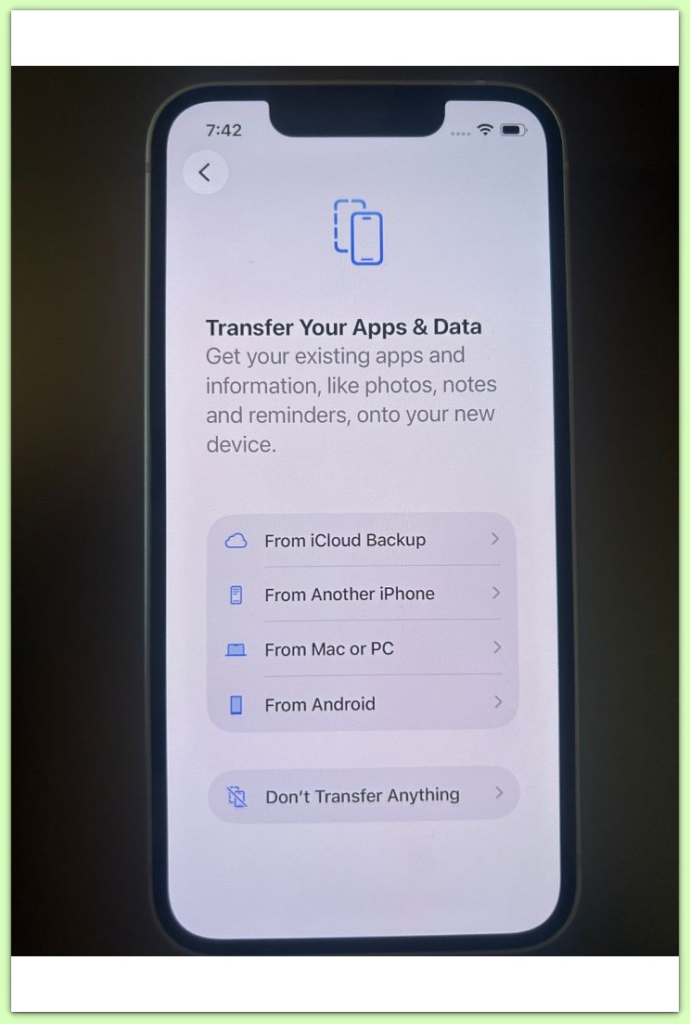
Begin setup again and observe when iphone restore option disappears mid setup during the flow.
Move through the screens slowly.
Watch whether the option vanishes before backup selection, during verification, or after a backup briefly appears.
If the cutoff happens at the same step every time, iOS is enforcing a rule.
Random UI issues do not repeat at fixed points.
At this stage, the behavior confirms intentional system enforcement rather than a temporary error.
────────────────────────
Step 2: Understand what iOS evaluates at that moment
────────────────────────
When restore access ends mid setup, iOS has already completed several checks.
These checks include backup metadata, encryption compatibility, account trust state, and device eligibility.
If any requirement fails, iOS removes the restore path without explanation.
From the system’s view, the decision is complete.
For that reason, restoration no longer remains a valid path.
This explains why retrying within the same flow produces the same result.
────────────────────────
Step 3: Confirm whether the decision is session-bound
────────────────────────
When iphone restore option disappears mid setup, the behavior stays tied to the current setup session.
Restarting the device and repeating setup without changing conditions reproduces the same cutoff.
iOS binds the decision to that session until the setup context changes.
Because of this, users often feel the option “randomly vanished.”
In reality, the evaluation already ended earlier in the flow.
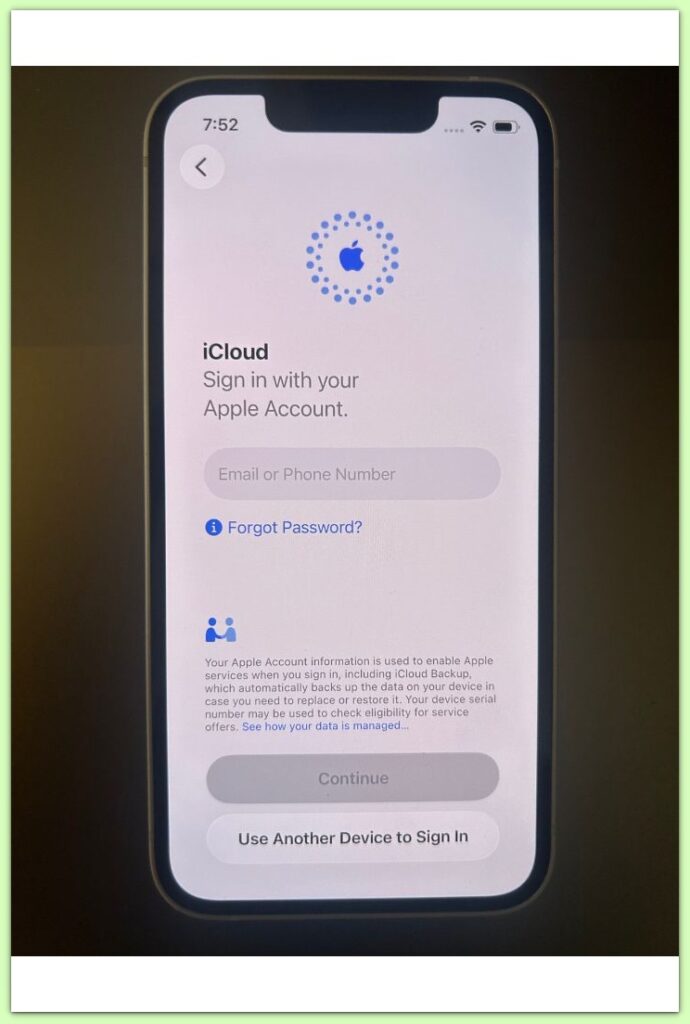
This issue cannot be resolved through basic setup steps alone.
When restore access disappears during setup, the cause lies beyond user-level controls and requires reference to external guidance that explains the applicable conditions and limitations.
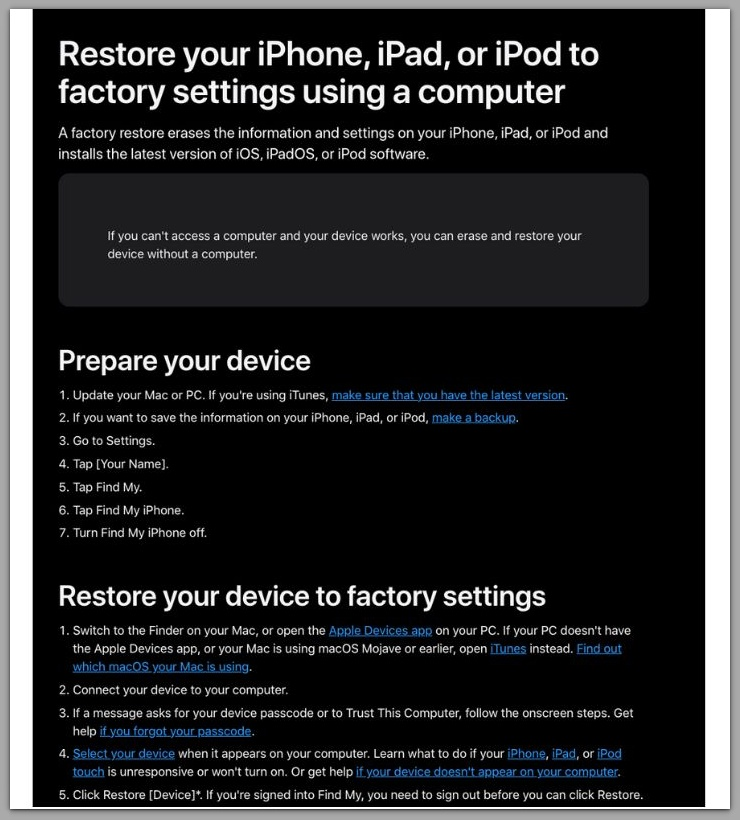
This state falls outside user-level setup controls and requires reference to an external restore path.
────────────────────────
Troubleshooting
────────────────────────
────────────────────────
If the restore option disappears right after Wi-Fi or cellular verification
────────────────────────
If the restore option disappears immediately after the network step, iOS is checking whether the restore service can remain stable during account transition.
This evaluation is not about raw speed.
Instead, iOS looks for consistency while moving into verification.
A brief drop can push the setup flow into a continuation path without restore.
Running setup once on stable Wi-Fi without switching networks is enough to confirm this behavior.
If the cutoff still happens at the same point on stable Wi-Fi, the cause lies beyond the network step.
────────────────────────
If the restore option disappears after Apple ID sign-in
────────────────────────
When the restore option vanishes right after Apple ID login, iOS is usually evaluating account trust.
This situation can occur when the sign-in state has not fully finalized or still requires confirmation.
Once that screen completes, iOS may remove restore access before moving forward.
At that point, returning to earlier screens does not reopen the path.
The decision remains bound to the active setup session.
────────────────────────
If the restore option disappears after a backup is briefly shown
────────────────────────
When iphone restore option disappears mid setup at this stage, the pattern strongly suggests rejection based on backup metadata.
A visible backup list does not guarantee restore permission.
It only confirms that backups exist.
If the option disappears shortly after the list loads, iOS has completed a deeper eligibility check.
The system effectively determines that this backup cannot restore in the current setup context.
The UI shows availability first, then closes access once evaluation finishes.
────────────────────────
If the restore option disappears on one device but not another
────────────────────────
When the same Apple ID and backup allow restore on one iPhone but not another, device eligibility becomes the deciding factor.
This difference may involve iOS version alignment, encryption requirements, or device-level restrictions.
Supervised or managed devices often fall into this category.
In these cases, iOS enforces the limitation at the policy level.
Restore access cannot be forced during setup.
────────────────────────
Additional Tips
────────────────────────
The fastest way to reduce wasted attempts is to treat the restore option as conditional until setup finishes.
When iphone restore option disappears mid setup, document the cutoff screen first.
Capture the exact step where the option disappears.
That single detail often reveals whether the boundary relates to network stability, account trust, or backup eligibility.
Avoid repeating setup multiple times with identical inputs.
Each repetition only confirms the same decision again.
Instead, change one variable at a time if testing continues.
Switch the network first.
If nothing changes, verify the Apple ID trust state next.
If the cutoff remains stable, the remaining causes usually involve backup eligibility or device restrictions.
When the restore option disappears mid setup and the device feels warm or slow, do not assume processing is still active.
Setup screens can look busy even after iOS finalizes its decision.
────────────────────────
Final Notes
────────────────────────
When iphone restore option disappears mid setup, it represents an access boundary rather than a malfunction.
The restore path remains available only until iOS completes its internal checks.
Once the system closes that path, the session cannot reopen it.
For this reason, tapping, waiting, or repeating the same setup does not change the outcome.
Restore access has already ended.
────────────────────────
Checklist
────────────────────────
☐ Note the exact screen where the restore option disappears
☐ Test once on stable Wi-Fi without switching networks
☐ Observe whether the cutoff occurs right after Apple ID sign-in
☐ Treat a briefly visible backup list as a metadata rejection signal
☐ If another iPhone restores successfully, suspect device eligibility or policy limits
────────────────────────
Extra Section 1
────────────────────────
Many restore guides assume that visible restore options mean guaranteed eligibility.
That assumption creates confusion.
iOS can display restore entry points before completing permission evaluation.
Early setup screens confirm basic availability.
They only indicate that the user entered the correct region of the setup flow.
They do not guarantee that restore access will remain open.
Actual closure occurs when setup transitions from selection to authorization.
This transition may follow Wi-Fi verification, Apple ID sign-in, or backup list loading.
From the UI perspective, the option disappears.
From the system perspective, access simply ends at a specific gate.
When the restore option disappears mid setup, the cutoff point becomes the clue.
That moment reveals which eligibility gate closed the path.
────────────────────────
Extra Section 2
────────────────────────
What makes this issue difficult is how ordinary the process looks.
Nothing crashes.
No error appears.
Setup continues normally.
The device reaches the Home Screen without resistance.
Everything feels finished from the user’s perspective.
That normal ending creates confusion.
Many users complete setup believing restore remains possible later.
In most cases, the limit already appeared earlier.
The setup flow did not fail.
Instead, it quietly showed where restore access ended.
When iphone restore option disappears mid setup, the outcome usually falls into one of two categories.
In one case, a rule blocks restoration unless a different restore method applies.
In the other, iOS allows setup completion but denies backup ingestion in this context.
This distinction changes how retries should be interpreted.
Repeating the same setup does not create a new attempt.
It simply replays the same decision under identical conditions.
Only changes that alter eligibility can produce a different result.
That includes a different device state, a different trust condition, or an entirely different restore path.
For this reason, the restore option disappearing mid setup marks a boundary moment.
It is not a temporary glitch.
And it is not a screen that simply “bugged out.”