
Introduction
────────────────────────
iPhone Restore Fails After iOS Update means the device enters a state where restore attempts fail consistently after an iOS update, even though backups exist and the restore process itself appears normal.
This issue appears after an iOS update changes internal restore conditions before the user initiates recovery.
It is not caused by a corrupted cable, a temporary server issue, or an interrupted download.
From the user’s perspective, restore simply “stops working.”
From iOS’s perspective, updated internal rules often block restore.
This article explains what actually changes inside iOS after an update and why restore behavior can fail without visible warnings.
────────────────────────
Step-by-Step Guide – iPhone restore fails after iOS update
────────────────────────
────────────────────────
Step 1: What iOS Re-evaluates After an Update
────────────────────────
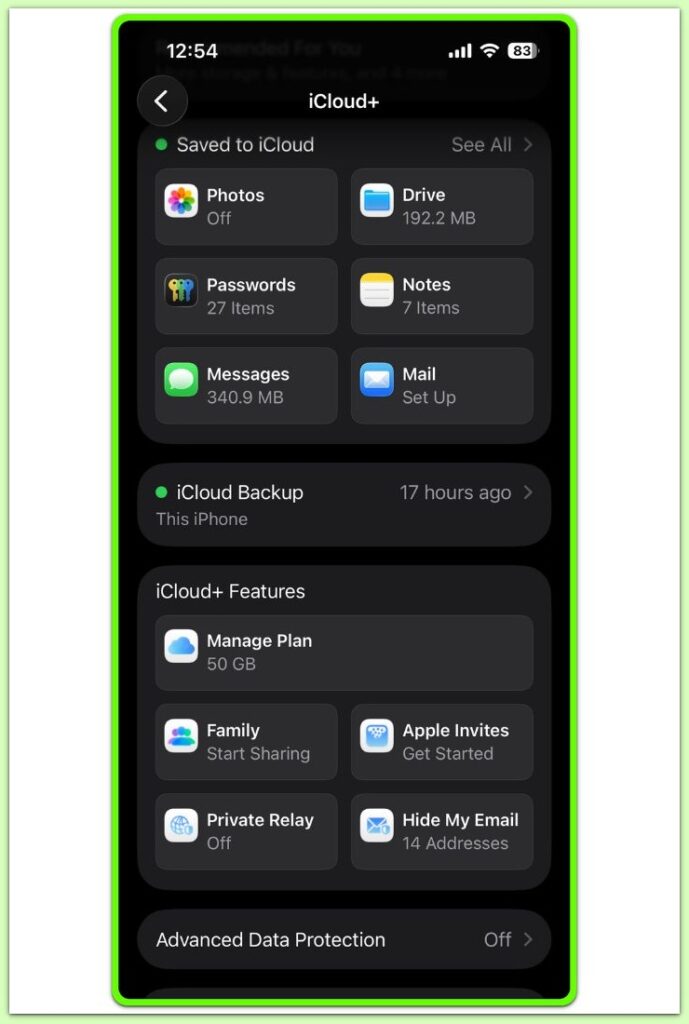
During an iOS update, the system does more than replace files, which helps explain why iPhone restore fails after iOS update scenarios emerge unexpectedly.
It re-evaluates encryption keys, backup compatibility, and device trust state.
The update process verifies whether existing backups align with the new system version.
When the system detects mismatches, it silently blocks restore eligibility.
The system completes this evaluation before any restore attempt begins.
By the time the user connects the device to restore, the system has already made the decision.
────────────────────────
Step 2: Why Existing Backups May Become Incompatible
────────────────────────
Backups are not generic data containers.
They depend on specific system assumptions present at the time of creation.
After an update, changes to file system layout, security modules, or data isolation rules can invalidate those assumptions, which is a common reason iPhone restore fails after iOS update despite intact backups.
The backup still exists, but its internal structure no longer aligns with the updated system.
iOS prioritizes system integrity over partial restoration.
Instead of allowing a restore that could fail mid-process, the system blocks restore entirely on purpose.
────────────────────────
Step 3: Why Repeating Restore Attempts Does Not Help
────────────────────────
Once restore eligibility fails after an update, repeating the same process does not change the outcome.
Restarting the device, reinstalling iTunes, or reconnecting to iCloud does not trigger a new evaluation.
The failure is not procedural.
It results from a completed internal decision.
This is why restore attempts often fail instantly or at the same point every time, regardless of method.
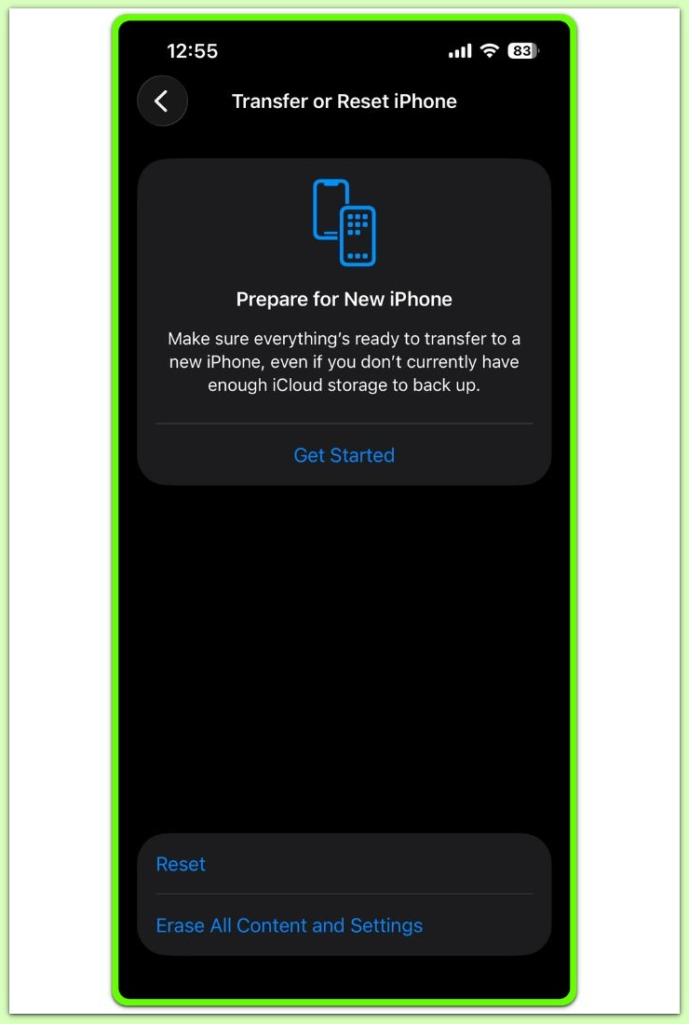
If restore attempts continue to fail at the same point after an iOS update, this is no longer a user-side procedure issue. In these cases, restore eligibility and backup compatibility need to be checked directly at the system and account level, which typically requires official diagnostic access or professional support.
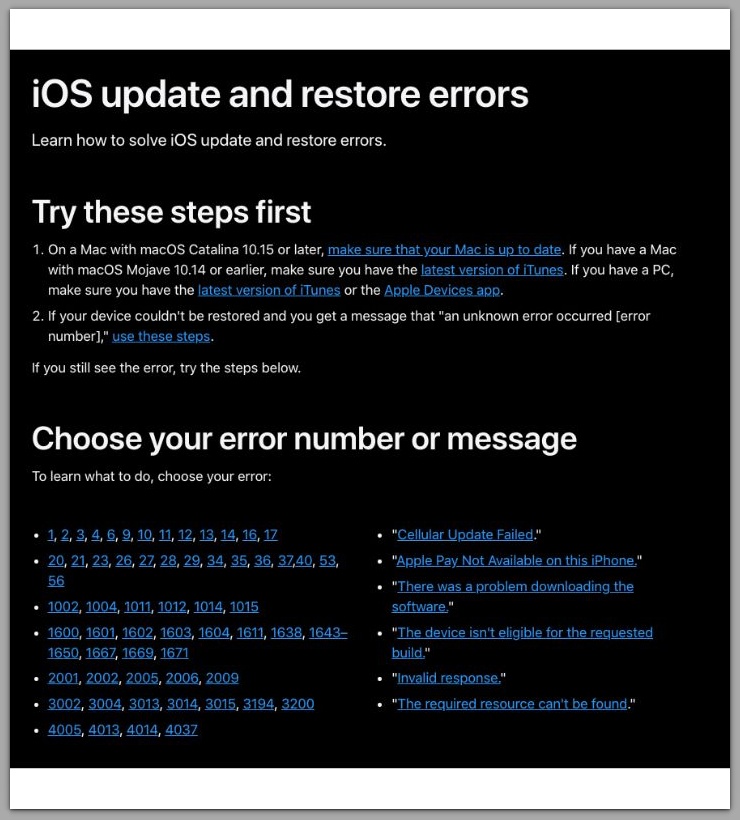
For reference, Apple explains iOS update and restore eligibility issues on its official support page below.
────────────────────────
Troubleshooting
────────────────────────
When iPhone restore fails after iOS update, the situation often feels misleading because nothing visibly breaks.
The device powers on normally, backups are listed, and restore tools appear functional.
This leads many users to assume the problem lies in the restore method itself.
Cable issues, network instability, or software bugs are commonly suspected.
In reality, most troubleshooting steps fail because they target execution, not eligibility.
The system blocks restore before it reaches execution logic.
Another source of confusion is inconsistency across devices.
Some devices restore successfully after the same update, while others fail.
This difference usually comes down to internal state at the time of update.
Backup age, encryption state, device storage layout, and account history all influence restore eligibility.
Because the system evaluates these variables together, isolating a single cause is difficult.
The system reacts to a combined risk profile rather than one identifiable error.
This is why troubleshooting feels unproductive.
The system is behaving as designed, but without exposing its decision process.
────────────────────────
Additional Tips
────────────────────────
When iPhone restore fails after iOS update, context matters more than repeated restore steps.
Understanding what changed around the update is more useful than repeating restore attempts.
Check whether the device was updated while encrypted backups were enabled.
Encryption settings can alter how backups are validated after system changes.
Also consider whether the backup spans multiple iOS versions.
Backups created far before the update may rely on deprecated system structures.
Another overlooked factor is storage reallocation during updates.
If the update triggers internal partition or data protection changes, restore compatibility may be affected.
It is also important to differentiate restore failure from partial restore.
Some restores fail immediately, while others progress and then stop.
Immediate failure usually indicates eligibility rejection.
Mid-process failure often points to data integrity or communication issues.
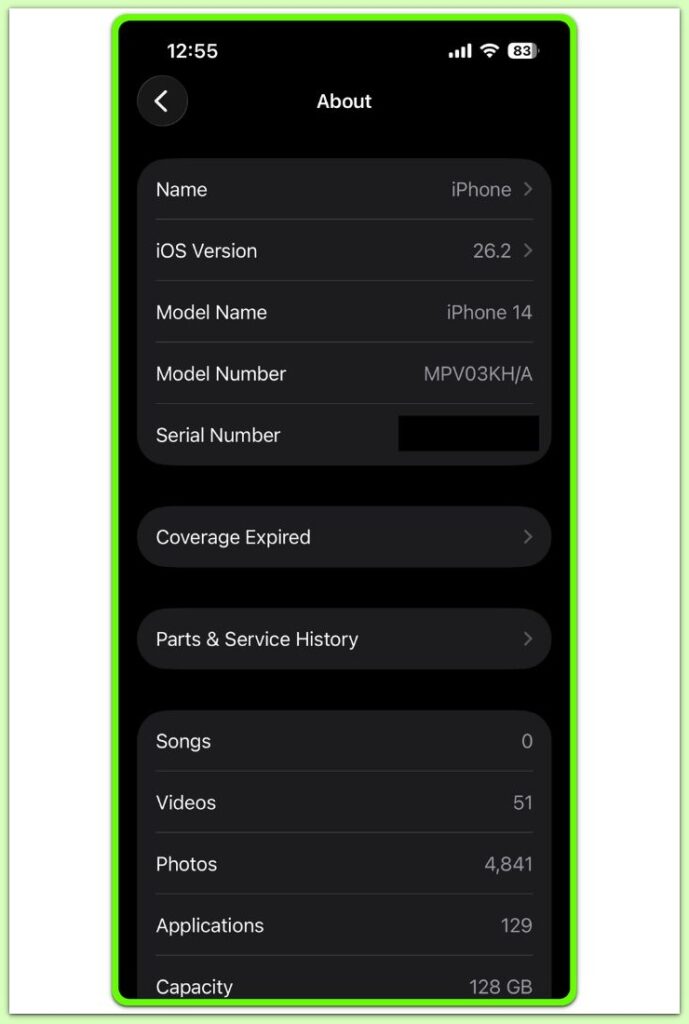
Recognizing this distinction helps avoid unnecessary data loss or repeated attempts.
────────────────────────
Final Notes
────────────────────────
Cases where iPhone restore fails after iOS update are rarely accidental.
They result from internal evaluations that iOS completes before the user initiates recovery.
Once the system determines that a restore could compromise stability, it removes that path entirely.
At that point, user actions no longer influence the outcome.
Understanding this internal logic reframes the issue.
The failure is not something to fix, but something to interpret correctly.
Checklist
☐ Restore worked before the iOS update
☐ Failure began immediately after updating
☐ Backups are visible but unusable
☐ Restore attempts fail consistently
☐ No procedural change alters the result
When all of these align, restore failure reflects a completed internal decision.
────────────────────────
Extra Section 1
────────────────────────
Apple treats restore as a controlled system rewrite, not a convenience feature.
A restore operation replaces protected areas that are tightly coupled to the current OS state.
After an iOS update, those protected areas may no longer align with older assumptions embedded in backups.
Security containers, keychain handling, and sandbox boundaries are often adjusted quietly between versions.
From Apple’s perspective, allowing a restore under these conditions introduces layered risk.
Even if the restore appears to succeed, subtle inconsistencies can surface later as crashes, data loss, or authentication failures.
These issues are difficult to diagnose after the fact.
A device may boot, apps may open, but internal state can remain unstable.
To prevent this class of failure, iOS often applies strict restore gating after updates.
If compatibility cannot be confidently verified, iOS rejects restore before it begins.
This approach reduces support ambiguity.
Instead of dealing with unpredictable post-restore issues, Apple forces a clean system state when uncertainty exists.
The cost of this decision is user frustration.
The benefit is long-term system reliability.
────────────────────────
Extra Section 2
────────────────────────
Situations where iPhone restore fails after iOS update often feel abrupt because the decision happens out of view.
There is no prompt, no warning, and no indication that iOS is evaluating restore eligibility.
The update lifecycle includes this evaluation process.
By the time the device restarts into the new system, the restore path has already been assessed.
This timing explains why user actions feel ineffective.
Changing cables, networks, or restore methods does not influence a decision that has already been finalized.
It also explains why different devices behave differently after the same update.
The outcome depends on the device’s internal state at update time, not on user behavior afterward.
Once the device boots into the updated system, iOS effectively locks restore eligibility.
Restore is not failing mid-process.
The system has already ruled it out.