
Introduction
────────────────────────
iPhone Restore Blocked Before Setup Starts means the system completes its restore eligibility decision before the setup process becomes interactive and removes the restore option before the user reaches it.
This situation does not come from a setup mistake.
It does not come from a frozen screen.
It does not come from a temporary server delay.
The system makes this decision silently, earlier than most users expect.
By the time the setup screens appear, the system has already closed the restore path.
Once the system reaches this state, repeating setup changes nothing.
Signing out of iCloud changes nothing.
The backup may still exist, but the system has already ended access to it.
This article explains where that decision happens,
why it occurs before setup starts,
and where user control definitively stops in iphone restore blocked cases.
────────────────────────
Step-by-Step Guide (iPhone Restore Blocked)
────────────────────────
────────────────────────
Step 1: Confirm the Restore Option Never Appears
────────────────────────
If the setup process moves directly from language and region selection into a fresh device configuration, the system has already removed the restore path.
No skipped tap caused this outcome.
The system never offered the screen.
At this point, the device no longer presents a choice.
It follows a completed eligibility decision.
────────────────────────
Step 2: Understand When the Decision Is Made
────────────────────────
In iphone restore blocked cases, the setup process evaluates restore eligibility before it becomes interactive.
The system performs this check immediately after it verifies account state, backup integrity, and encryption conditions.
Once the system completes these checks, it locks the result.
The setup flow only displays that outcome.
This timing explains why the restore option never returns later in the process.
────────────────────────
Step 3: Identify What Triggers the Block
────────────────────────
The most common triggers include account-level conflicts, encryption mismatches, or backup conditions that no longer meet restore requirements.
The system does not show error messages for these triggers.
Instead, it removes the restore path.
From the user’s perspective, setup appears to skip a step.
From the system’s perspective, it already finalized the decision.
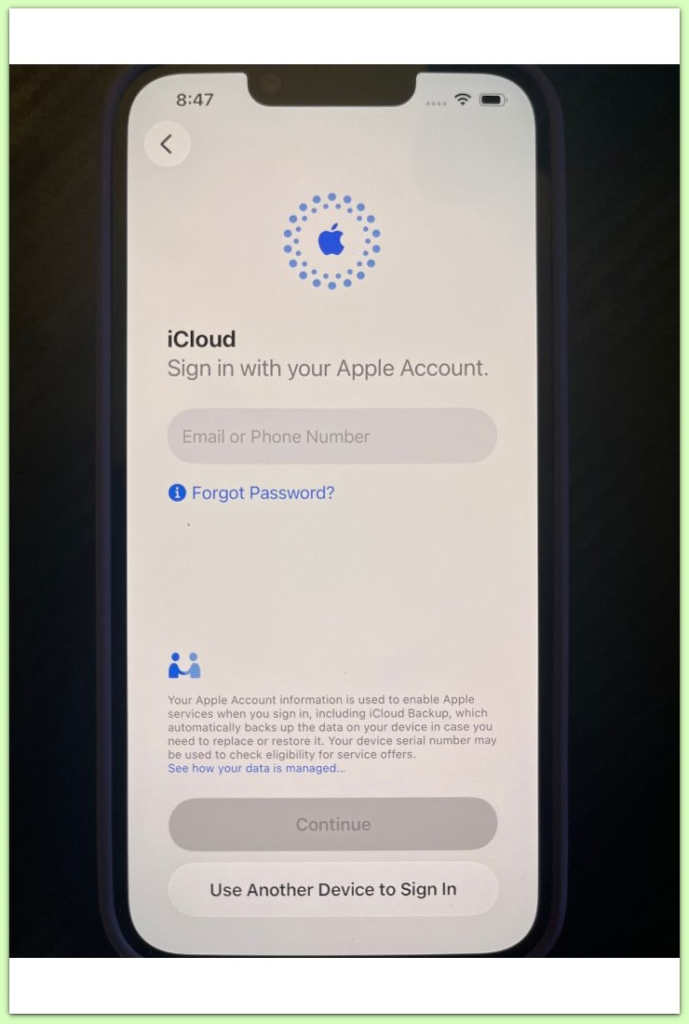
In these cases, the block is not caused by a single visible error but by how the system evaluates account history, encryption state, and backup integrity together, which means the exact reason cannot be confirmed from the device itself and requires checking restore eligibility conditions outside the setup flow.
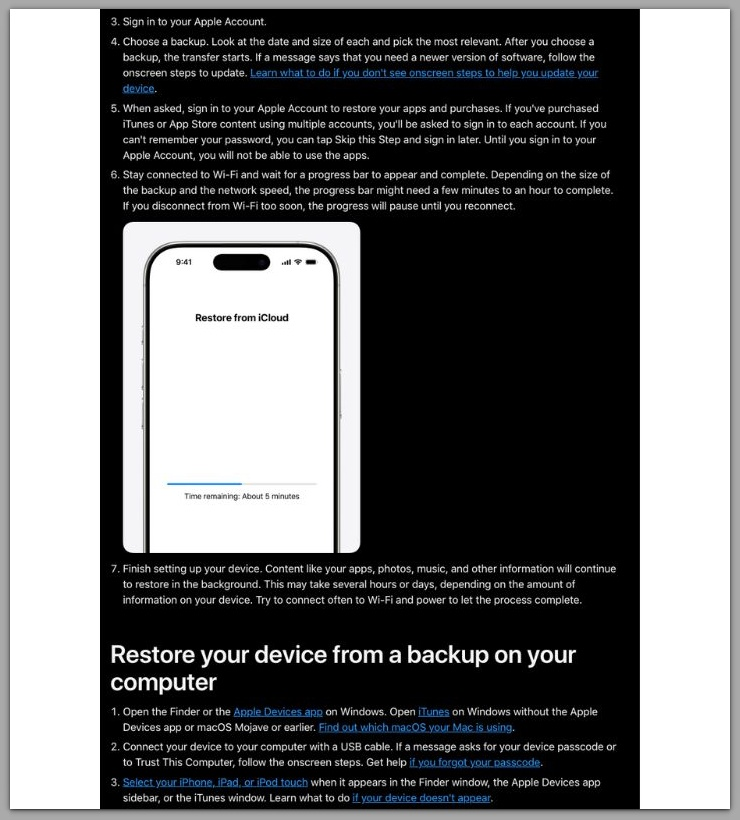
For reference, you can review Apple’s official documentation that shows how the restore process normally appears during device setup.
────────────────────────
Troubleshooting
────────────────────────
At this stage, troubleshooting iphone restore blocked cases does not involve fixing the issue.
It involves confirming that the restore path no longer falls under user control.
If the restore option never appeared during the initial setup screens, restarting the device does not change the outcome.
The device does not recalculate eligibility decisions during reboot.
Switching Wi-Fi networks also produces no effect.
Network conditions only matter before the system completes the eligibility check.
After the system locks the decision, connectivity changes no longer matter.
Signing out of iCloud and signing back in also fails to change the result.
The system already completed account validation before setup became interactive.
Even erasing the device and repeating setup usually leads to the same outcome.
The same account, the same backup conditions, and the same device state produce the same eligibility result.
Troubleshooting ends when every action produces the same missing restore screen.
That consistency confirms a system-level block rather than a temporary failure.
────────────────────────
Additional Tips
────────────────────────
Backup visibility often creates confusion.
When users see a backup listed in iCloud, they expect restore access to remain available.
Visibility does not imply eligibility.
The system keeps backups visible for reference and retention even after it revokes restore access.
Timing also causes misunderstanding.
Many users assume the system evaluates restore eligibility during the setup screens.
In reality, the system makes the decision earlier, before any restore options appear.
This timing explains why users describe the issue as “skipped” or “missing.”
The system never presents a choice because it already finalized the decision.
When diagnosing iphone restore blocked scenarios, focus on when the restore option disappeared, not on why it failed to load.
────────────────────────
Final Notes
────────────────────────
This situation does not result from user error, incomplete setup, or unstable connectivity.
It results from an eligibility decision the system makes before the setup process begins.
Once the system completes that decision, it permanently closes the restore path for that setup attempt.
No user-level action can reopen it.
Understanding this boundary prevents unnecessary retries and repeated setup attempts.
────────────────────────
Checklist
────────────────────────
☐ Restore option never appeared at any point during setup
☐ Setup proceeded directly into new device configuration
☐ Backup remains visible but cannot be selected
☐ Repeating setup produced the same result
☐ Network and account changes had no effect
If all items apply, the restore block is confirmed.
────────────────────────
Extra Section 1
────────────────────────
From Apple’s perspective, iphone restore blocked results from a risk assessment around restore eligibility.
When the system allows a restore under uncertain conditions, it risks data corruption, encryption conflicts, or partial recovery.
To avoid those outcomes, the system rejects restores early rather than failing later.
Instead of presenting a restore option that might break mid-process, the system removes the option entirely.
This design protects system integrity but reduces transparency.
The system does not tell users when it makes the decision or why.
In practice, this approach also reduces support ambiguity.
When a restore attempt fails halfway through, users often face unstable device states that appear recoverable and trigger repeated retries.
By blocking restore earlier, the device follows a clean setup path that remains predictable and stable.
That stability defines the tradeoff: fewer catastrophic restore failures, but more cases where the restore choice never appears.
────────────────────────
Extra Section 2
────────────────────────
Timing represents the most important detail in iphone restore blocked cases.
The block occurs before setup begins, not during it.
By the time language and region screens appear, the system has already fixed the outcome.
Everything that follows only reflects that earlier decision.
Recognizing this timing shift changes how users interpret the problem.
Instead of searching for a missing button, they can identify the moment control ended.
This perspective also delivers a practical benefit.
When users treat the issue as a missing option, they change random settings, restart repeatedly, or switch networks without effect.
When they treat it as a completed decision, the next step becomes verification: confirming the same result during one clean setup attempt and documenting what the device consistently refuses to offer.