
Introduction: iphone restore step is skipped during setup
────────────────────────
iPhone Setup Skips Restore Path means the restore option disappears during the initial setup process because iOS already decides at a system level before the user reaches the restore screen.
This behavior does not come from a missed tap, a rushed setup choice, or a temporary UI glitch.
iOS intentionally removes the restore path after it evaluates the device, the account state, and backup eligibility.
Once iOS makes this decision, the restore option never returns later in the setup flow.
Restarting setup, reconnecting iCloud, or repeating the process never recreates the restore path.
From the user’s perspective, users feel that iOS skips a step.
From iOS’s perspective, iOS closes the restore route before the setup reaches that stage.
This article explains where iOS makes that decision,
why iOS skips the restore step during setup,
and where user control permanently ends in iphone restore step is skipped during setup cases.
────────────────────────
Step-by-Step Guide
────────────────────────
────────────────────────
Step 1: Understand What “Skipped” Actually Means
────────────────────────
When iphone restore step is skipped during setup, users often assume the setup flow malfunctioned.
In reality, Apple designs the setup flow to behave exactly this way.
iOS evaluates restore eligibility early, before the restore screen appears.
If iOS determines that a backup cannot be used, iOS removes the restore path from the flow entirely.
At that point, users cannot find a hidden button, a retry trigger, or a delayed loading state.
The step does not fail because iOS never enables it.
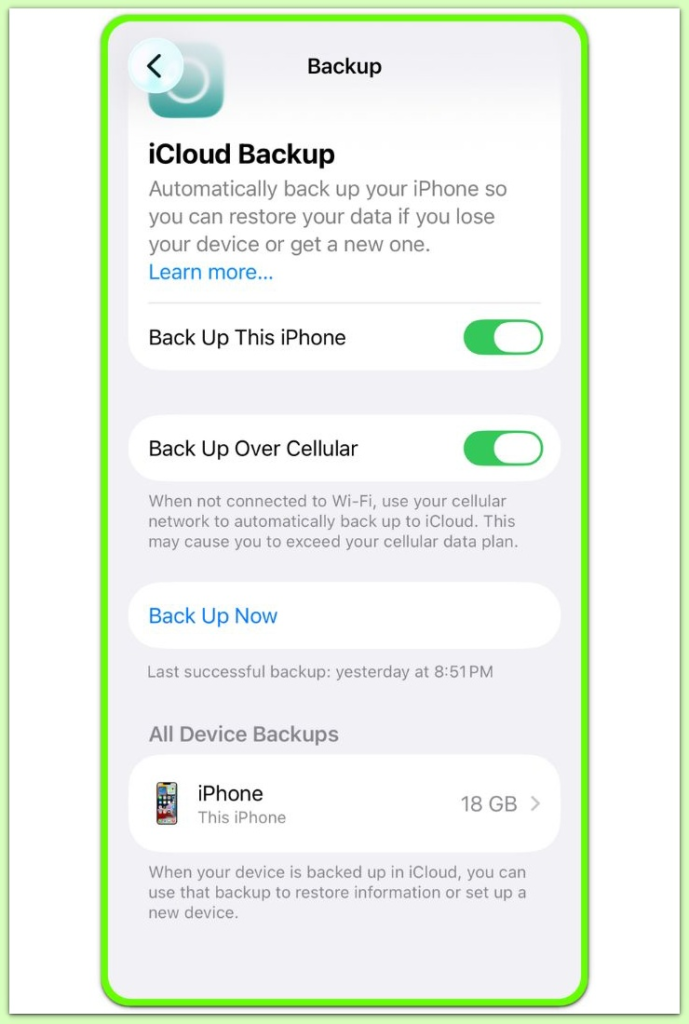
This is why setup continues normally without offering restore options.
────────────────────────
Step 2: Where the Decision Is Made During Setup
────────────────────────
At this point, iphone restore step is skipped during setup because iOS applies eligibility checks.
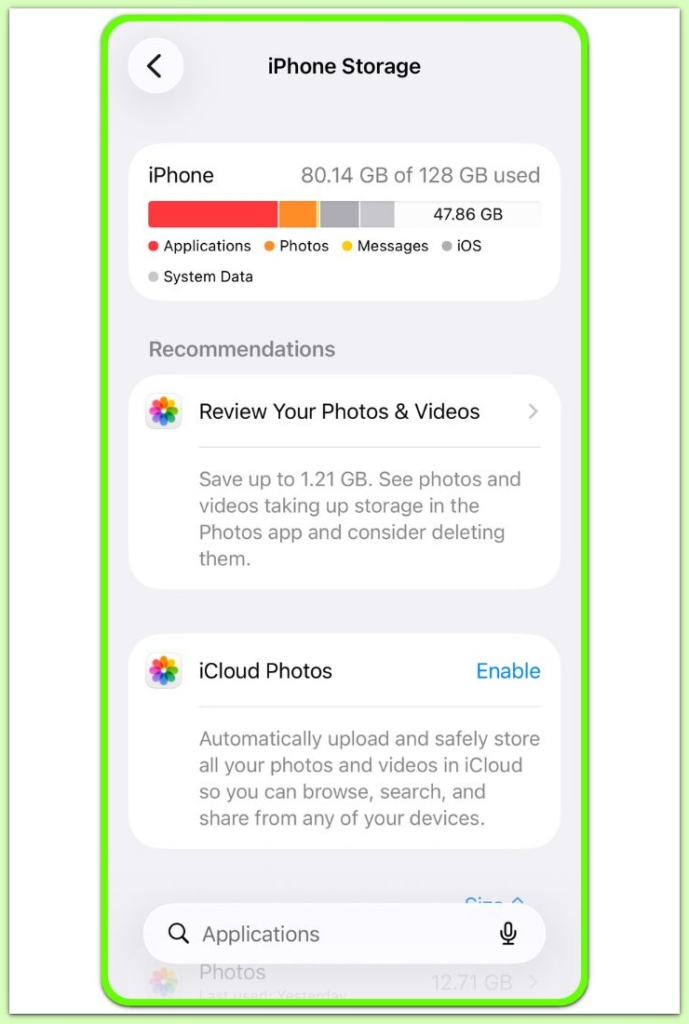
These checks include backup compatibility, encryption state, account continuity, and device history.
iOS performs these checks before the setup UI reaches the restore selection screen.
Once iOS marks a backup as ineligible, iOS removes the restore path from the setup sequence.
The system blocks the UI from displaying the restore option.
This moment defines where user control ends.
Everything after this stage shows only visual flow, not decision-making.
────────────────────────
Step 3: Why Restarting Setup Does Not Help
────────────────────────
Many users restart the device or begin setup again.
This action feels logical, but it does not affect the decision iOS already made.
The system ties the eligibility result to account and system state, not to the setup session.
Restarting setup only repeats the same flow under the same restrictions.
Unless the underlying eligibility conditions change, iOS keeps the restore path unavailable.
Repeating setup never triggers a new evaluation.
If you need further assistance beyond this point, consult an external resource that provides more detailed guidance.
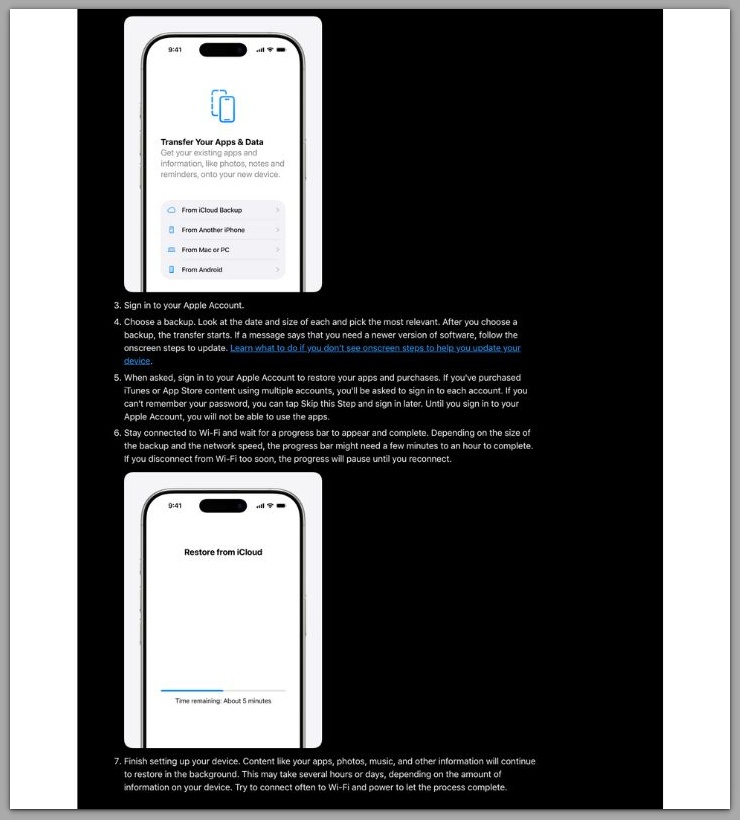
This screen represents the point where iOS decides whether the restore path is available.
────────────────────────
Troubleshooting: iphone restore step is skipped during setup
────────────────────────
Many users continue troubleshooting because the behavior feels inconsistent.
When a restore option never appears, users often misread the situation as a temporary failure.
This misunderstanding leads users to repeat setup, reset networks, and sign out of accounts.
These actions confirm connectivity, but they never influence restore eligibility.
At this stage, troubleshooting no longer plays a fixing role.
Troubleshooting only verifies the system’s decision.
When iphone restore step is skipped during setup in the same way every time, the system maintains a stable state.
The device does not fail intermittently. The system enforces the same rule consistently.
This distinction matters because unstable problems fluctuate.
System decisions remain consistent.
Once users confirm this pattern, further troubleshooting becomes redundant.
The restore path does not wait for activation; iOS already removed it from the flow.
────────────────────────
Additional Tips
────────────────────────
Some users assume that completing setup first unlocks restore options later.
Older iOS versions encouraged this belief, and outdated guides still repeat it.
Modern iOS never reopens restore eligibility after setup completes.
iOS ties the restore path strictly to the initial decision window.
Another common misconception involves backup visibility.
A visible backup only confirms that data exists, not that the system can apply it.
Apple separates data preservation from restore permission to avoid unsafe recovery paths.
This design explains why backups can remain listed indefinitely without becoming usable.
Understanding these boundaries helps users stop waiting for changes that never occur.
When iphone restore step is skipped during setup, the absence of restore options signals a final outcome, not a delay.
────────────────────────
Final Notes
────────────────────────
When iphone restore step is skipped during setup, the behavior feels abrupt because iOS completes the decision silently.
iOS does not show warnings or explanations during setup.
However, silence does not indicate uncertainty.
It confirms that iOS already completed the decision before the user reached that screen.
At that point, setup continues because nothing remains undecided.
iOS already closed the restore route.
Recognizing this reality shifts the problem from “how to retry” to “why retrying cannot work.”
This shift prevents wasted effort and repeated setup loops.
────────────────────────
Checklist
────────────────────────
☐ The restore option never appeared at any point
☐ The behavior repeats identically across setup attempts
☐ Network changes never affect restore availability
☐ Backup visibility never changes restore eligibility
☐ iOS removed the restore path before user interaction
Once users meet these conditions, iOS has already finalized the restore decision.
────────────────────────
Extra Section 1
────────────────────────
iOS evaluates restore eligibility before user interaction because encryption dependencies require strict matching.
Backups depend on specific security states rather than generic data packaging.
If the system cannot match these states safely, iOS blocks restoration entirely.
Allowing partial restores would risk data corruption or account inconsistency.
For this reason, iOS never provides fallback restore paths.
The system prioritizes prevention over flexibility.
From a design perspective, this approach avoids unrecoverable edge cases.
From a user perspective, the invisible decision feels restrictive.
The skipped restore step visibly reflects this hidden safeguard.
It represents a protective boundary rather than a missing feature.
────────────────────────
Extra Section 2
────────────────────────
In iphone restore step is skipped during setup scenarios, timing controls everything.
The critical moment occurs before the restore screen appears.
Once setup reaches the visible flow, iOS has already closed the decision window.
Nothing on that screen can reopen it.
This explains why interaction-based advice fails.
User interaction always occurs after the decision phase.
Understanding this sequence clarifies where responsibility shifts.
User actions end earlier than most people expect.
Beyond that point, the remaining paths include explanation, acceptance, or official support review.
The setup process itself has already reached its limit.